


Prostatitis in modern medicine is one of the most common diseases in the field of urology.There are many causes of this disease: bacteria, infections, sedentary lifestyle, alcoholism and even hypothermia.
Getting rid of pain and achieving stable remission, not to mention full recovery, is quite difficult.To do this, you need to use different methods, apply special procedures and precautions, and also do not forget to take medications.Prostatitis should be treated as soon as the first signs appear, which usually begin with painful urination and increased libido.
They are then accompanied by unpleasant pain in the perineum, above the pubic bone and even in the anus or penis itself.Symptoms of the acute form often resemble fever, pain during bowel movements, and atypical excretion.However, most prostatitis is usually asymptomatic for a long time.
What is the treatment for prostatitis?
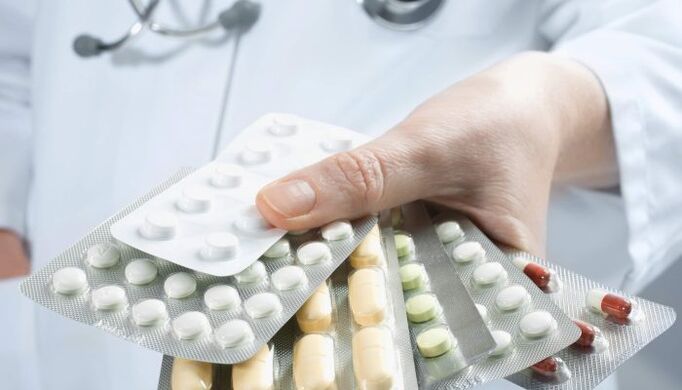
Medicines can be divided into several groups.All are combined and prescribed by the doctor in a certain order, depending on the stage and type of pathology.The earlier it is diagnosed, the less money is needed:
- rectal suppositories - often aimed at restoring metabolism;
- injection - quickly solves the problem and stimulates not only the immune system, but also the vascular system;
- NSAIDs (nonsteroidal anti-inflammatory drugs) – protect against inflammation;
- droppers – drugs used only in medical conditions;
- microenemas - performed at home, often using herbal solutions and infusions;
- tablets - require a doctor's prescription, have antibacterial and anti-inflammatory properties, as well as many other effects.
All drugs are selected only taking into account individual tests and patient characteristics.
Antibiotics
If the cause of prostatitis is bacterial, antibiotics will be prescribed.The first priority is to use broad-spectrum drugs that can fight different types of bacteria.There are 3 groups of drugs in total:
- Fluoroquinol;
- Tertacycline;
- Penicillin.
Each group has different medications.
Analgesic
This group includes substances that have an analgesic effect but rarely directly affect the treatment process.Dosage is strictly determined by the doctor.
Alpha-adrenergic blockers
The action of this group of drugs is based on the relaxation of the urethral muscles, as well as the bladder.The medicine helps get rid of the unpleasant urination process.
The course of drug treatment is at least a month.These medications do not directly treat inflammation in the prostate but are most effective in preventing urinary retention.
Muscle relaxants
Their function is similar to that of blockers, but they act on the entire perineal area, where when sick there is excessive tone and tension.The drug significantly reduces blood pressure and helps relieve pain.
Cyclic products
Prostatitis is a disorder of the circulatory process, leading to the formation of blockages.As a result, recovery of organs and tissues is very difficult.Treatment of pathology is impossible without using drugs of this group.Usually, doctors prescribe medications with the fewest side effects.
Herbal medicine
Natural remedies containing only herbs often help eliminate excessive swelling of the glands, reduce inflammation and protect against stagnation.The drug restores fluid metabolism.The most popular are products made from pumpkin seeds, palm trees and sabal.
Vitamin
To maintain a depleted body and immunity, vitamins are simply necessary.Furthermore, these products are specifically for men, with adjustable proportions of all ingredients.They cannot be a cure in themselves, but they are almost always part of a comprehensive solution to problems.
The best drugs for prostatitis
The individual characteristics of the body, accompanying diseases and many other factors determine which medicine the doctor will prescribe.In reality, there is no suitable vehicle for everyone.Another important factor is that prostatitis, due to reduced immunity, cannot be treated with the same drugs as infectious diseases.
The doctor can recommend any medicine, but in this case you always need to study the composition, current cost and possible contraindications.To get the most correct opinion and treatment regimen, you should consult 2-3 doctors, or choose a specialist that you trust unconditionally.